


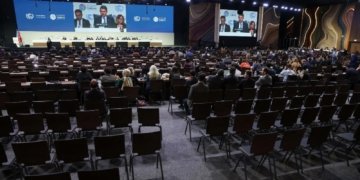




















































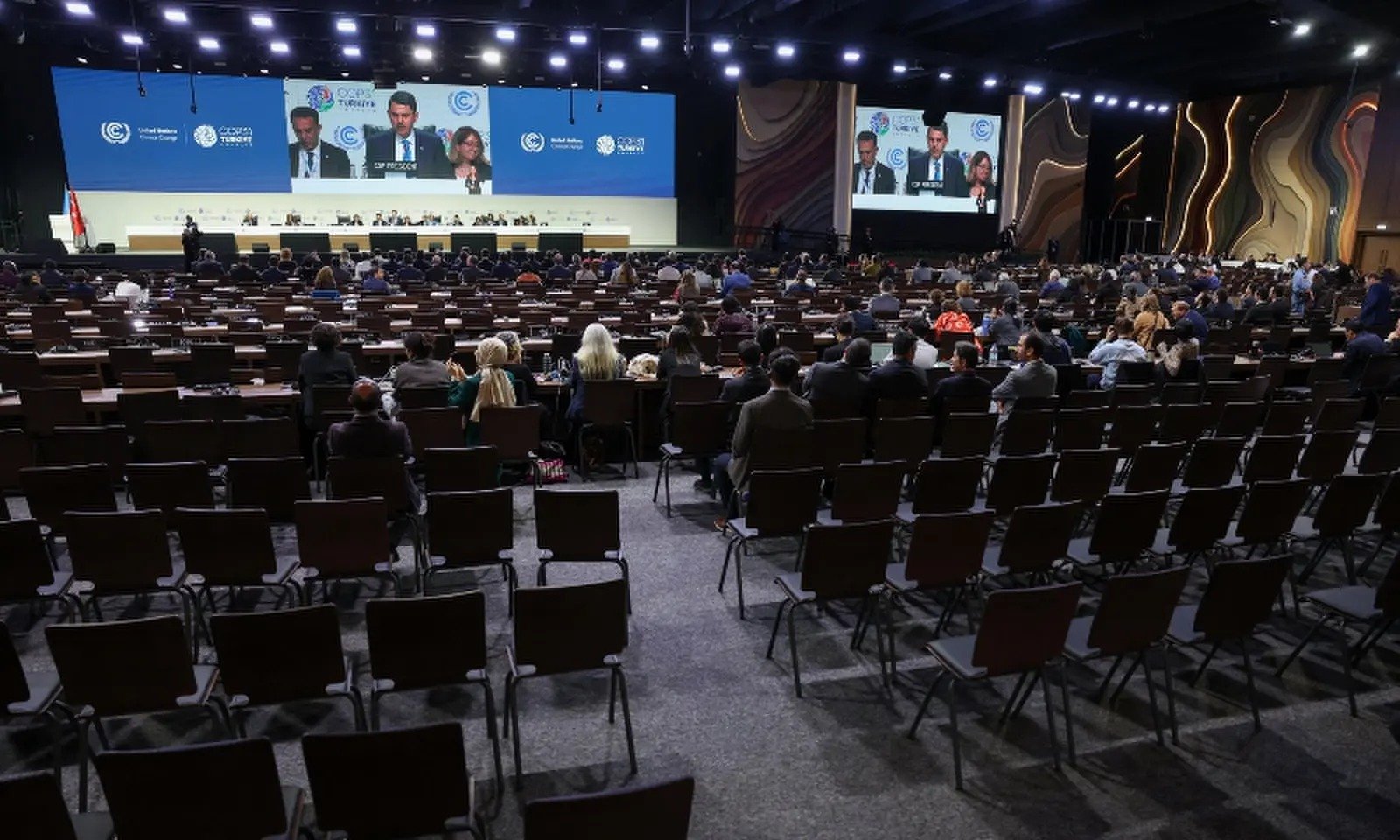
ANTALYA: The United Nations COP31 climate conference in Türkiye ended without an overarching political agreement, as countries remained divided over fossil fuels and financial support for climate action.
AFP reported that negotiations concluded on November 22 after running roughly two days beyond their scheduled finish. Türkiye held the conference presidency, while Australian climate minister Chris Bowen served as president of negotiations.
A central dispute concerned whether the final text should explicitly address the transition away from coal, oil and gas. The European Union and several other countries rejected language that omitted a direct reference to fossil fuels. Saudi Arabia and other oil-producing states resisted stronger wording.
Developing countries sought greater financial support for adapting to climate impacts, expanding clean energy and dealing with disaster-related losses. Differences also remained over emissions reduction approaches and the treatment of scientific evidence.
Bowen expressed disappointment, saying divisions on key issues had proved impossible to bridge. Former US vice president Al Gore called for reforms to the negotiating process.
The supplied account also highlights discussion of climate litigation, bilateral agreements and initiatives such as the Santa Marta Initiative as possible avenues for countries seeking to advance action beyond traditional UN negotiations.
The failure to adopt the overarching Antalya Pact does not mean that every part of COP31 ended without progress. The UK government said other negotiations and voluntary initiatives produced results. The Paris Agreement and countries’ existing commitments remain in force.