





















































The federal government is reviewing constitutional options to address the political and security situation in Khyber Pakhtunkhwa. According to a report, the centre could consider combining several constitutional measures rather than relying solely on either an emergency or governor’s rule.
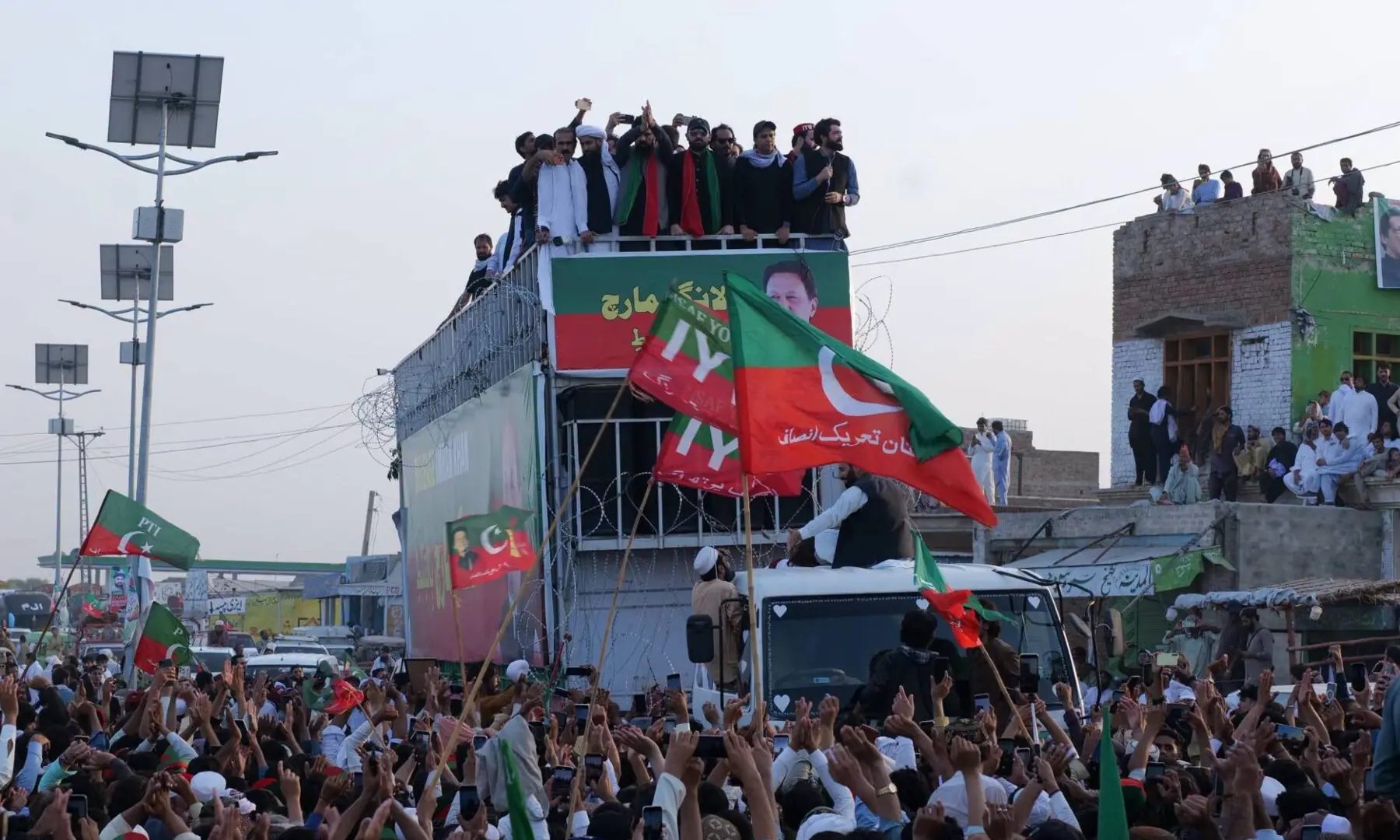
Sources cited in the report said tensions were increasing over the province’s security situation and PTI’s decision to proceed with its October 4 march towards Islamabad. The sources maintained that conditions required for either an emergency or governor’s rule existed and that a combination of measures provided by the Constitution could be adopted.
The remarks came amid growing strains between the PTI-led Khyber Pakhtunkhwa government, the federal government and the establishment. The province’s security challenges and the decision to march towards Islamabad were identified as prominent factors behind these tensions.
The federal government has already publicly indicated that an emergency under Article 232 and governor’s rule under Article 234 are among the constitutional options being examined.
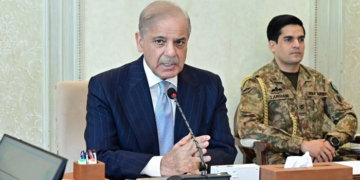
Parliamentary Affairs Minister Tariq Fazal Chaudhry recently said the government was “seriously considering” imposing an emergency in Khyber Pakhtunkhwa. He attributed this to the provincial government’s alleged failure to contain terrorism.
Federal Law Minister Azam Nazeer Tarar also said that if circumstances existed or arose that called for governor’s rule or an emergency under the Constitution, such a step “certainly could and would” be taken.
However, the government subsequently decided against immediately implementing either measure. Instead, it chose to give PTI another opportunity to reconsider its proposed march and change what it described as the party’s confrontational political strategy.
According to the report, the source’s reference to a “combination of constitutional measures” suggests that the options under consideration may extend beyond a straightforward choice between an emergency and governor’s rule. The precise nature and details of any such combination remain unclear.
Explaining Article 232, the report said it concerns a grave emergency in which war, external aggression or internal disturbances beyond a provincial government’s control threaten the security of Pakistan or any part of the country.
Article 234, meanwhile, concerns circumstances involving a failure of constitutional government in a province, the report stated, highlighting the distinction between the two provisions.
The report further noted that Articles 232 and 234 involve different procedures and constitutional consequences. It said that a provincial assembly’s powers and functions could also be suspended under Article 234, whereas Article 232 does not itself suspend the provincial assembly.