





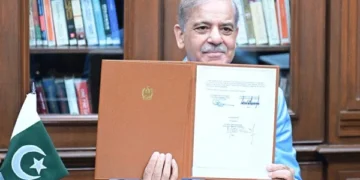



























































The Government of Pakistan, the Shia Ulema Council, and the Majlis Wahdat-e-Muslimeen (MWM) have reached an agreement on a seven-point agenda, leading to the postponement of the planned Arbaeen march.
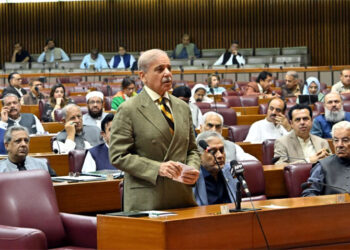
The development was announced during a joint press conference attended by Sindh Governor Kamran Tessori, Minister of State Talal Chaudhry, and leaders of both organizations.
Governor Kamran Tessori declared that the MWM’s march against the ban on pilgrims traveling to Karbala via land routes has been postponed, with all parties agreeing to resolve the matter through dialogue instead of protest.
Minister of State Talal Chaudhry stated that a consensus was reached on seven points and that further discussions would take place at the Governor’s House. He acknowledged that the government had to make a difficult decision due to security concerns, which caused inconvenience to the pilgrims, but stressed that the request to avoid road travel was made because of the law-and-order situation.
Talal Chaudhry announced that students currently at the border would be allowed entry into Iran without obstruction. The government will provide discounted tickets for pilgrims and start special flight operations within two to three days. He also said that a high-level committee will be formed, pilgrims’ visas will be extended by 60 days, and payments made to tour operators will be refunded.
MWM leader Allama Ahmed Iqbal Rizvi said that the government had positively resolved the issue, and they were calling off the march. He added that the Sindh Governor has been appointed as a guarantor to ensure the fulfillment of the demands.
It is worth noting that a few days ago, Interior Minister Mohsin Naqvi announced that pilgrims would not be allowed to travel to Iran or Iraq for Arbaeen via Balochistan this year. Following that announcement, the MWM called for a nationwide protest against the ban on land routes.