







































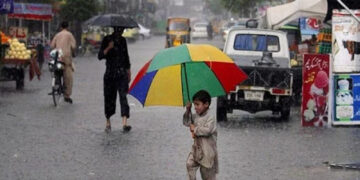
































Climate researchers in Pakistan have linked the alarming rise in cloudburst incidents to widespread deforestation, warning that the country is now facing one of the harshest impacts of climate change. They stressed that the problem is not confined to Pakistan alone but is part of a global crisis, as extreme weather patterns intensify around the world.
Climate expert Dr. Shafqat Munir explained that a cloudburst occurs when unusually heavy rainfall strikes a specific area within a short span of time, often with devastating consequences. He noted that rising temperatures are the clearest indicator of how much the seasons have changed. According to him, the cutting down of forests has left slopes and hillsides exposed, which causes rocks, mud, and debris to be carried downstream during heavy rains, making the floods far more destructive.
Dr. Kashif Majeed Salik, another climate specialist, emphasized the urgent need to coexist with nature. He said that homes should not be built along riverbanks or natural waterways, and reducing deforestation is critical to preventing soil and rocks from being washed away during intense rainfall.
Experts collectively believe that reckless tree cutting and unchecked human settlements along waterways have amplified the risks of cloudbursts. They argue that while climate change is a global issue, human negligence has worsened its impact in Pakistan, and immediate corrective action is required.
Reports highlight that Pakistan’s situation has already become critical. Cloudburst events have not only increased in frequency but have also brought massive boulders and debris crashing into populated areas, making flash floods more lethal. Provinces such as Khyber Pakhtunkhwa and Gilgit-Baltistan have already suffered heavy casualties and significant financial losses due to these extreme weather events.