



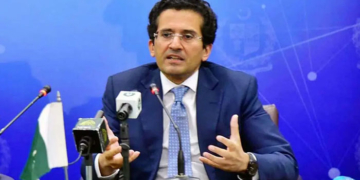




















































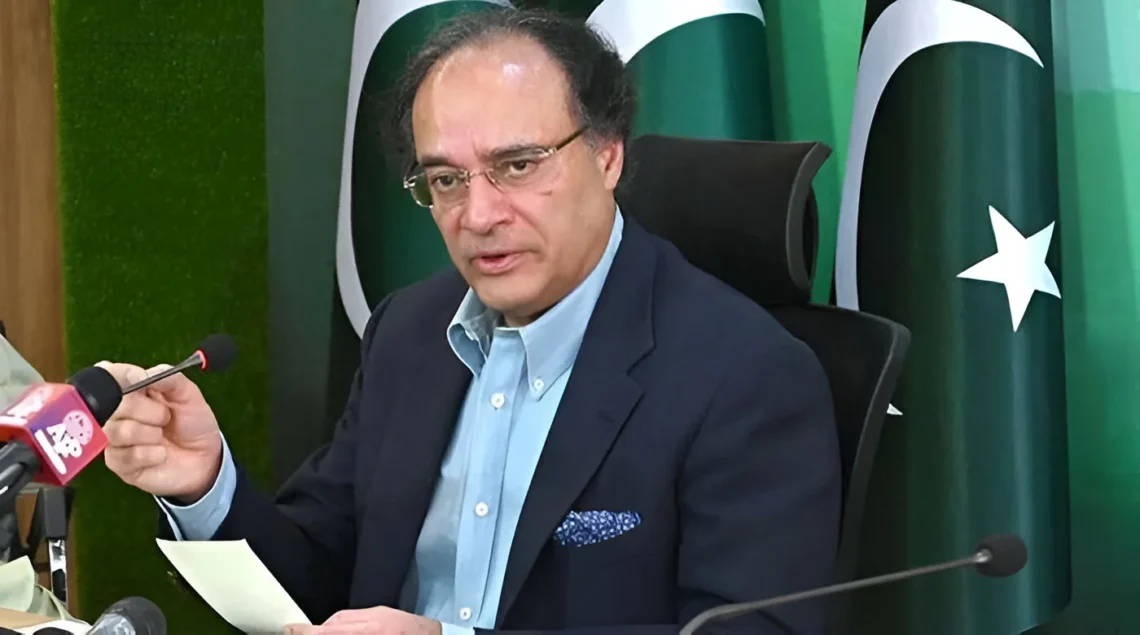
Finance Minister Muhammad Aurangzeb said that global rating agencies have acknowledged Pakistan’s macroeconomic stability, reflecting growing confidence in the country’s financial direction.
Speaking at a press conference, the minister stated that the government is implementing a comprehensive agenda of structural reforms and has successfully achieved macroeconomic stabilization. He added that the staff-level agreement with the IMF reaffirms Pakistan’s economic stability, while the recent policy rate cut has had a positive impact on growth.
Aurangzeb emphasized that Pakistan’s economic trajectory is on the right path, and international institutions’ recognition is evidence of improved fiscal discipline and sustainable progress.
FBR Chairman Highlights Tax Growth
Federal Board of Revenue (FBR) Chairman Rashid Mahmood Langrial said that Pakistan’s tax-to-GDP ratio has improved by 1.49 percent in a year. He added that the government aims to raise the overall tax-to-GDP ratio to 18 percent through provincial revenue and petroleum levy collections.
He explained that 15 percent of revenue will be generated federally and 3 percent provincially. Individual tax filers have increased by 18 percent this year—from 4.9 million to 5.9 million—thanks to improved compliance measures.
Langrial added that tax reforms require time but are progressing steadily under the government’s reform plan. He said that the Prime Minister personally reviews tax reform progress weekly and all relevant institutions are cooperating with the FBR.
Energy Sector Reforms and Debt Reduction
Energy Minister Awais Leghari said the government is modernizing the power sector, noting that electricity prices have been reduced by 10.5 percent over the past 18 months.
He said that the government is committed to providing relief to consumers wherever possible. The task force on independent power producers (IPPs) has achieved significant progress, while circular debt has been reduced by Rs700 billion in one year under an effective strategy.
The minister added that the government will no longer purchase electricity directly and that consumers will soon have access to prepaid metering facilities. He said resolving technical inefficiencies has led to major cost savings and will ensure long-term sustainability in the energy sector.