































































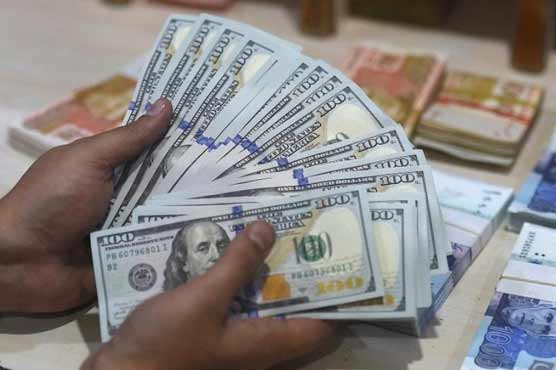
The Pakistani currency faced yet another difficult day as the rupee weakened significantly against the US dollar in both the interbank and open markets. According to financial experts, rising demand for the dollar, increasing imports, and pressure from external payments have kept the local currency under constant strain.
In the interbank market, the dollar rose by 18 paisas, reaching Rs. 284.40. Similarly, in the open market, the dollar gained 20 paisas to trade at Rs. 286.85. This marks the rupee’s lowest value in the past 19 months, casting a shadow of deep concern over the country’s economic outlook.
Currency dealers say the State Bank of Pakistan has been consistently purchasing dollars from the market to boost its foreign exchange reserves, which is adding upward pressure on the dollar’s price. Economists highlight that the growing volume of imports, especially energy and other essential goods, along with foreign debt repayments, has contributed to increased dollar demand.
Economic analysts believe that while the State Bank’s efforts to raise forex reserves are commendable, long-term stability requires comprehensive policy measures to boost exports and attract foreign investment. They warn that if the current trend continues, it could further intensify inflationary pressure, directly affecting the public’s purchasing power.
This situation has become a major challenge for the government and financial institutions, which are now under pressure to take immediate and effective steps to stabilize the rupee. Economic circles stress the need to control imports, enhance exports, and create a favorable environment for foreign investment to stabilize the country’s foreign exchange reserves.