









































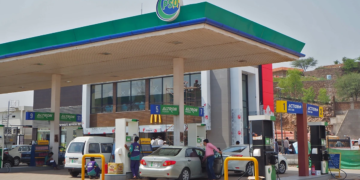


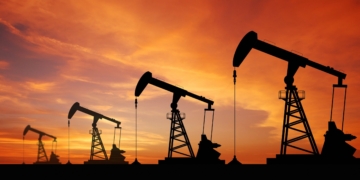













Under the effective leadership of the Special Investment Facilitation Council (SIFC), Pakistan is rapidly progressing toward self-sufficiency in the energy sector, with Vision 2031 promoting sustainable and alternative energy sources across the country. This vision focuses on reducing dependence on furnace oil and coal while transitioning toward clean energy sources like hydropower, solar, and CNG.
Recent developments include the completion of a 150-megawatt solar project in Sukkur and a 1-megawatt project in Gilgit-Baltistan. Additionally, Synergy Co. is upgrading its refineries to Euro V global standards through a $1 billion investment. Mari Petroleum has completed the third appraisal well at the Ghazi Field, strengthening domestic energy reserves.
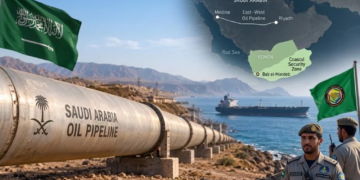
With $101 million in Saudi financial assistance, work is progressing swiftly on two 70-megawatt hydropower projects in Azad Kashmir and a 3-gigawatt solar plant in Karachi. The World Bank has also approved $149.7 million to support the development of Pakistan’s digital economy.
Shanghai Electric has invested in Thar Coal Block-1, while Chinese companies Jinko III and Ningbo Green Light have signed agreements to convert thermal power plants into 300-megawatt solar facilities.
Under the patronage of SIFC, privatization plans for major distribution companies like IESCO, FESCO, and GEPCO are underway. Meanwhile, progress continues on K-Electric’s $2 billion reform project.
Furthermore, new energy sector investment agreements have been signed with Saudi Arabia, the UAE, and Azerbaijan, facilitated by SIFC. Under the new national energy policy, projects such as OGDCL, Rajian-11, and OPEC Plus are moving forward.
Pakistan and Russia have launched direct railway service and digital and economic cooperation, while the government’s approval of a 35% privatization share in the gas sector is expected to pave the way for $5 billion in investment.