




































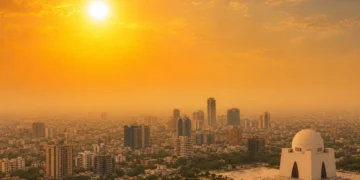
























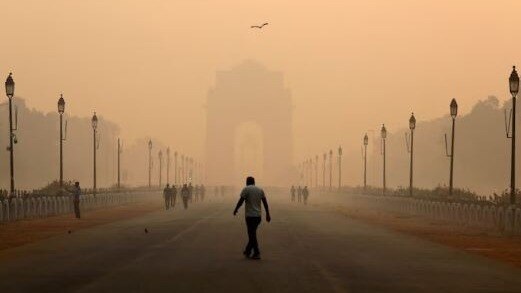
Air pollution in India’s capital, New Delhi, has reached alarming levels, making it the most polluted city in the world. According to Swiss monitoring group IQAir, the city’s Air Quality Index (AQI) was recorded at 442 on Tuesday, 59 times higher than the limit recommended by the World Health Organization.
The severe pollution spike was largely caused by fireworks during Diwali celebrations. The Indian Supreme Court last week relaxed the ban on fireworks, allowing the use of relatively eco-friendly “green crackers” for just three hours on Sunday and Monday. However, residents continued fireworks well beyond the permitted time.
Experts say green crackers emit 30 to 50 percent less smoke than regular fireworks, but their widespread use still turned the air toxic. India’s Central Pollution Control Board labeled Delhi’s air quality as “severe,” recording an AQI of 350. Officials warned that the situation is unlikely to improve in the coming days.
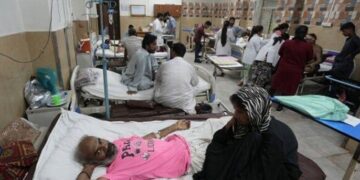
Each winter, smog blankets Delhi and its surrounding areas as cold air traps construction dust, vehicle emissions, and smoke from crop burning near the ground. This affects nearly 20 million residents, increasing cases of respiratory and heart diseases.
Meanwhile, across the border in Pakistan’s Punjab province, air pollution levels have also reached hazardous levels. Lahore’s AQI was recorded at 234, the second highest in the world. According to Punjab Environmental Protection Agency spokesperson Sajid Bashir, polluted air from Indian Punjab and other regions is worsening air quality in several areas of Pakistani Punjab.