



























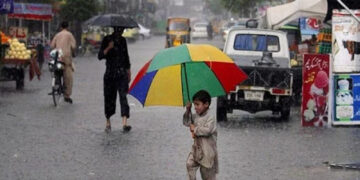



























The ongoing floods in Khyber Pakhtunkhwa have caused large-scale devastation, leaving hundreds dead and thousands affected, as rescue operations and military relief efforts continue across the province.
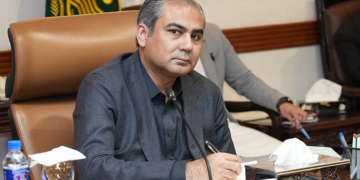
In a joint press conference, Adviser to the Information Department Barrister Saif, Director General PDMA Asfandyar Khattak, and Director General Rescue 1122 Tayyab Abdullah briefed the media on the current situation and relief measures.
According to DG PDMA, 393 people have lost their lives so far, while 190 others have sustained injuries across various flood-hit districts. Floodwaters damaged 1,711 houses, of which 565 were destroyed. He added that during a recent provincial cabinet meeting, the financial aid package for the victims was increased.
Khattak further stated that the compensation for families of the deceased has been raised to Rs. 1 million per person. Additionally, a food package worth Rs. 15,000, announced by the Chief Minister, has begun distribution starting today in Bajaur, with other districts to follow next week. He said Rs. 700 million has already been allocated to Buner and Rs. 200 million to a private company for food package distribution. For the first time in the province’s history, financial aid has reached victims within just ten days of the disaster.
DG Rescue 1122 Tayyab Abdullah said hundreds of areas in Khyber Pakhtunkhwa have been affected. In Buner, 335 people were swept away by floodwaters, and 15 people remain missing. He noted that the rescue operation in Swabi, after a cloudburst incident, has been completed, while operations in Buner continue. During excavation efforts, rescuers managed to pull out five children alive.
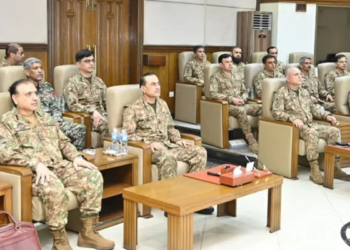
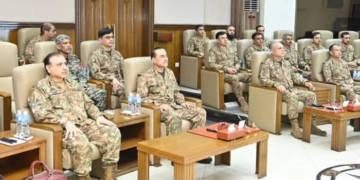
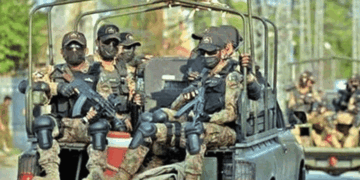
Meanwhile, the Pakistan Army has been carrying out flood relief operations for the eighth consecutive day in Buner, Swat, Shangla, and Swabi. Military engineers have reopened the road from Qadir Nagar to Bhattai Dara in Buner, while also clearing debris and restoring access in other affected areas. Officials confirmed that the Army’s relief and rescue operations will continue until the affected communities are fully rehabilitated.