














































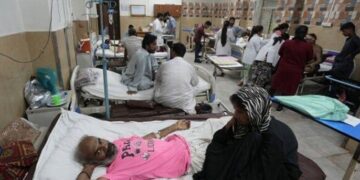





















The dengue situation in Sindh continues to worsen as the provincial health department confirmed four more deaths on Tuesday. According to the latest figures, the total number of fatalities caused by dengue in the province has reached 20, with four deaths reported in the last 24 hours alone. During the same period, more than 1,200 new cases were detected, highlighting the severity of the outbreak.
Although the health department has officially confirmed 20 deaths, non-government sources claim that the actual number of fatalities in Karachi and Hyderabad is significantly higher. As per official records, 13 deaths were reported in Sindh during October, including four in Hyderabad, one in Tando Muhammad Khan, one in Korangi, three in Malir, two in East Karachi, and two in West Karachi.
In November so far, seven additional patients have died from dengue, including five in Hyderabad, one in Tando Allahyar, and one in the Keamari district of Karachi.
Provincial Health Secretary Rehan Baloch, in a clarification, stated that many of the deceased patients were already suffering from complex health conditions that worsened the effects of dengue. He said that all deaths were reviewed in detail by hospital committees, and only after thorough verification was dengue declared the cause of death. He urged the public not to rely on unverified reports.
Rehan Baloch also pointed out that a new viral mutation has been reported internationally, which may increase the severity of dengue in some cases. He added that the dengue response cell is fully operational, field teams are active, and hospital capacity is being enhanced to manage the rising number of patients.
Health experts say that immediate mosquito-control campaigns, fumigation, and public awareness efforts are essential to bring the current situation under control. According to specialists, most complications arise from self-medication, dehydration, and the use of certain drugs—such as painkillers and antibiotics—that can reduce platelet counts and increase the risk of bleeding.
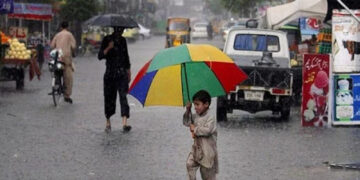
Dengue, a virus transmitted by the Aedes aegypti mosquito, remains a major public health challenge in Sindh every year. Experts note that inadequate fumigation, poor sanitation, and stagnant water after monsoon rains are the main causes behind the surge in cases.
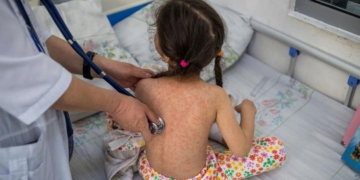
Most patients experience very mild or no symptoms at all, which often delays diagnosis. In many cases, individuals recover naturally within one to two weeks. However, some patients develop clear symptoms such as high fever, intense headaches, pain behind the eyes, muscle and joint pain, nausea, vomiting, and skin rashes. These symptoms arise due to the body’s immune response as the virus spreads.