





























































The Trading Corporation of Pakistan (TCP) has issued a tender for the procurement of 100,000 tons of rice to be supplied to Bangladesh, marking a significant development amid improving ties between Islamabad and Dhaka. Relations between the two countries remained strained for decades, but after the removal of former Bangladeshi Prime Minister Sheikh Hasina in August 2024, bilateral engagement has visibly increased.
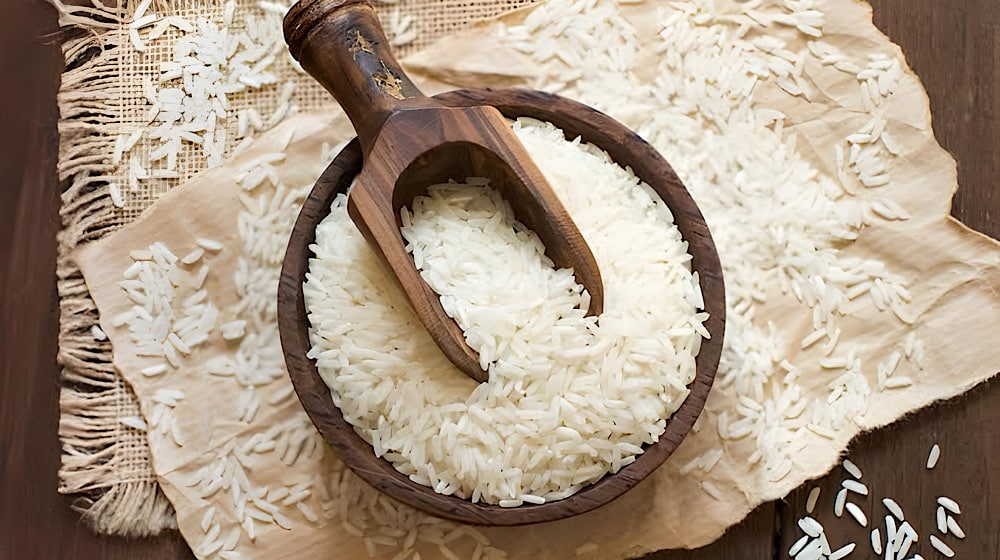
According to the tender issued by TCP on 20 November, the deadline for submitting price offers is 28 November at 11:30 AM. The tender calls for separate sealed bids from companies, partnerships, and sole proprietors to supply 100,000 tons of long-grain white rice (IRRI-6), which will be exported to Bangladesh as break-bulk cargo through Karachi ports.
The submitted offers must remain valid for 21 working days, and the rice must be ready for shipment within 45 days of contract award. Bids can be submitted for a minimum of 25,000 tons and a maximum of 100,000 tons, with a permitted variation of +/- 5 percent.
The tender specifies that the rice must be sourced from the latest Pakistani crop and must meet human consumption standards, be free from foul odour, fungal contamination, toxic weed seeds, insects, or any impurities.
According to Reuters, traders view the tender as a potential move to include Pakistani rice in Bangladesh’s import supply chain, even though recent indications suggest that Bangladesh may use Indian rice for its ongoing import commitments. Additionally, Bangladesh issued another rice procurement tender today as part of its recent efforts to lower domestic prices.
Pakistan and Bangladesh initiated direct government-to-government (G2G) trade earlier this year with the first consignment of 50,000 tons of rice in February. During the 9th Joint Economic Commission (JEC) meeting held last month, Pakistan offered Dhaka the option to use Karachi Port Trust as a regional gateway for trade with neighbouring countries.
Regarding rice exports, Pakistan recorded a 28 percent decline in the first quarter of fiscal year 2026, raising concerns within the sector. According to a Rice Exporters Association official, this dip resulted from India’s return to the export market in 2024, the removal of the minimum export price for Basmati, and the zero-rating of exports.
However, Pakistani exporters avoided direct price competition, enabling Pakistan to maintain its share in premium markets over the subsequent six months (October 2024 to March 2025). Furthermore, the United States’ decision to impose a 50 percent tariff on Indian products, including Basmati rice, has opened additional opportunities for Pakistan in the U.S. market.
Data from the ‘Wolza Global Trade Platform’ shows that from November 2023 to October 2024, the U.S. accounted for 24 percent of Pakistan’s total Basmati rice exports.