
































































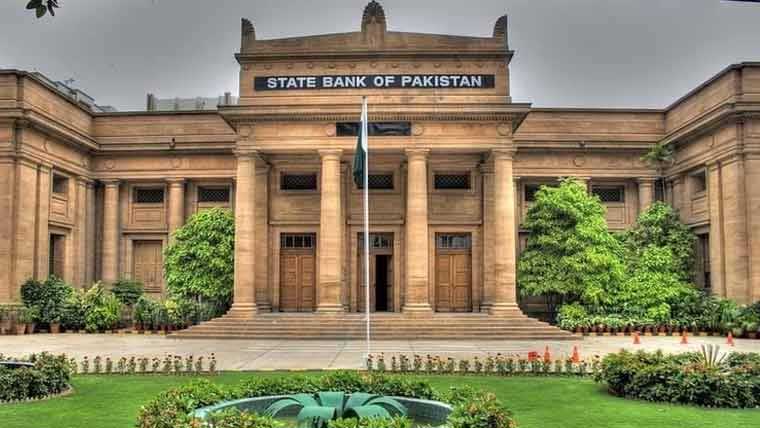
According to data released by the State Bank of Pakistan (SBP), Pakistan’s current account recorded a surplus of USD 582 million in December 2024, which is 109% higher than the USD 279 million surplus noted in the same month last year.
This marks the fifth consecutive month of a current account surplus.
Meanwhile, the November surplus was originally reported at USD 729 million, but the SBP revised it to USD 684 million in its latest figures.
Overall, these numbers place Pakistan’s current account at a surplus of USD 1.21 billion in the first half of the current fiscal year, compared to a deficit of USD 1.397 billion in the corresponding period last year.
Breakdown
- In December 2024, the country’s total exports of goods and services stood at USD 3.838 billion—about 9% higher than USD 3.53 billion in December last year.
- According to the SBP, imports in December 2024 were USD 5.781 billion, an increase of over 15% year over year.
- Worker remittances reached USD 3.079 billion, 29% more than last year.
Slower economic growth and rising inflation have helped reduce Pakistan’s current account deficit, further bolstered by increased exports. In recent months, a reduction in interest rates and certain import restrictions have also assisted policymakers in narrowing the deficit.
First Half of the Current Fiscal Year
- During the first half of the current fiscal year, total exports of goods and services reached USD 20.28 billion.
- According to SBP data, imports during this period stood at USD 33.38 billion.
- Worker remittances amounted to USD 17.85 billion, approximately 33% higher than USD 13.44 billion in the same period last year.
The current account is a vital lifeline for cash-strapped Pakistan, as the country heavily depends on imports to run its economy. A growing deficit puts pressure on the exchange rate and depletes official foreign exchange reserves, whereas a surplus has the opposite effect.