
















































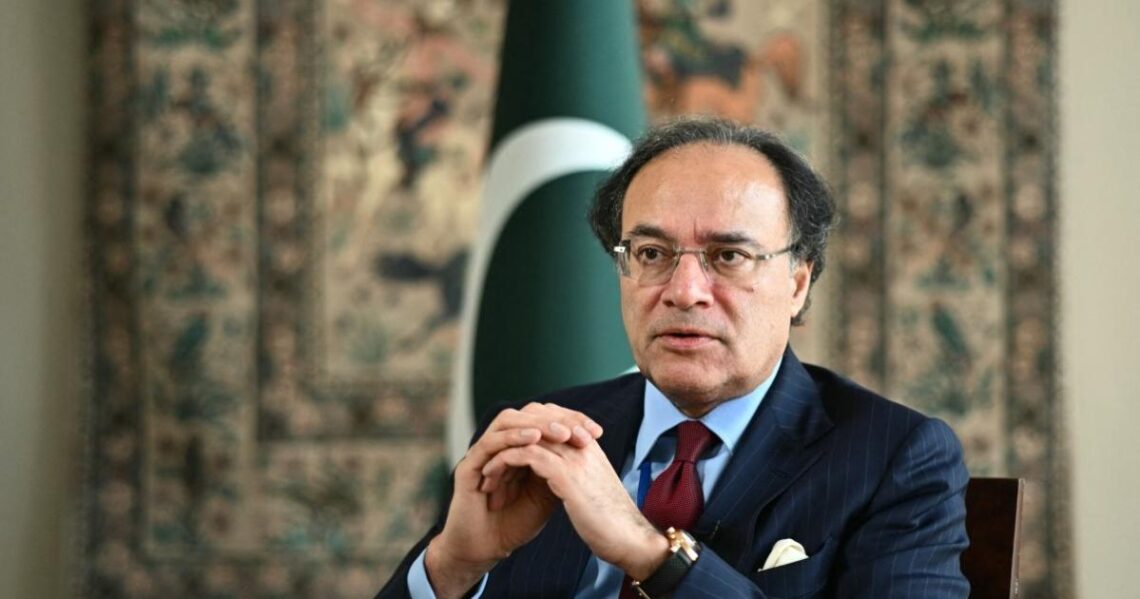
Federal Finance Minister and Senator Muhammad Aurangzeb has stated that although Pakistan’s national debt has increased by 41%, the situation will improve as repayments are made. He expressed optimism that interest rates will be further reduced soon, and electricity tariffs will also be brought down.
Speaking at an event at the Islamabad Chamber of Commerce, Aurangzeb said that the economy had stabilized over the past one and a half years, with all major economic indicators showing a positive trend. He noted that the government had significantly reduced the policy rate and was expected to lower it further to boost business and investment. Additional measures are being taken in the current fiscal year to improve the economy.
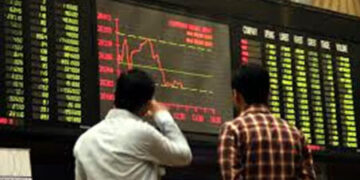
The minister highlighted that the Pakistan Stock Exchange had reached a record high, reflecting strong investor confidence. He acknowledged that the 41% rise in debt was a major challenge but stressed that as repayments continued, the situation would improve.
Aurangzeb stated that the government was pursuing a fundamental reform agenda, adopting a right-sizing policy to reduce public expenditure, with staff reductions underway in over 400 departments.
On the energy sector, he said that Energy Minister Awais Leghari and his team had introduced significant reforms, including the first-ever tariff reforms in 78 years. A task force is working to lower electricity prices, and results are expected soon.
Regarding taxation, the finance minister said that the burden could not be placed solely on salaried individuals; agricultural income had also been brought into the tax net. He added that the Federal Board of Revenue’s digitalization process was ongoing, with reforms being personally overseen by the Prime Minister.
Aurangzeb said that international financial institutions had appreciated Pakistan’s economic reforms, Fitch Ratings had upgraded the country’s rating, and another global rating agency would soon announce an improvement. He noted that tariff negotiations with the US had created new export opportunities, which, along with external economic successes, had boosted confidence in the domestic economy.