

































































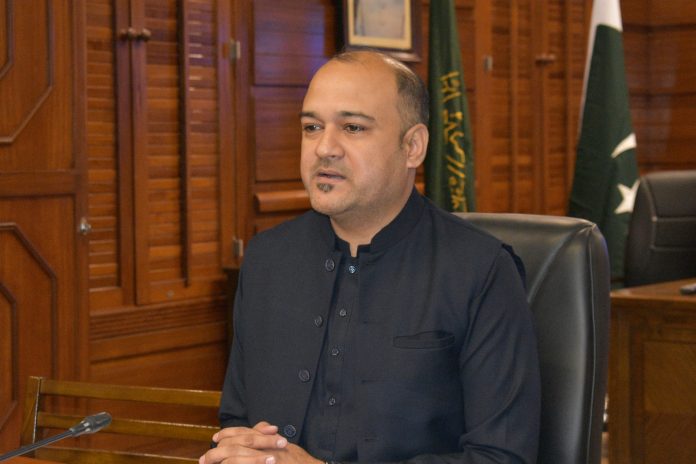
Opposition Leader in the Sindh Assembly, Ali Khurshidi, launched a scathing attack on the provincial government, alleging that floods in Sindh are not only a natural disaster but also turned into a “money-making business.”
Speaking at a press conference in Karachi, he said that while floods bring devastation, they also bring aid, yet the situation across Sindh remains chaotic and emergency-like with no effective role being played by local governments.
Khurshidi argued that rescue and relief efforts were nowhere to be seen from municipal authorities. “The rulers here claim that other provinces do not even have local bodies, but I will continue to raise my voice for the people of Sindh. If that bothers anyone, so be it,” he remarked.
He further stated that he and his colleagues want to ensure minimum damage from the flood crisis and are monitoring the situation closely. Referring to Hub Dam, he said that a new canal with a capacity of 100 MGD was inaugurated by Bilawal Bhutto Zardari in August, but soon after August 13, the supply of water from Hub had sharply declined. “Who is being deceived here?” he asked, pointing out that water shortages in Karachi’s West District remain unresolved.
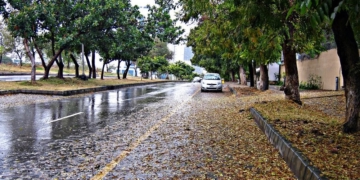
The opposition leader also accused the Water and Sewerage Corporation of being directly involved in over 90 percent of water theft in the city. He stressed that if this is the case, then authorities must come clean so reforms can be introduced. Khurshidi also noted that roads in Garden still look as if it rained just yesterday, reflecting poor management.
Khurshidi said amendments to the local government act are underway to prevent situations where water is diverted from one person’s land to save another’s. He warned that such practices would not be tolerated and protests would be launched if necessary. He added that both the provincial and federal governments were failing to fulfill their responsibilities toward Karachi.
It is worth mentioning that floodwaters, after causing destruction in Punjab and Khyber Pakhtunkhwa, are now entering Sindh. At Sehwan, the Indus River is already in high flood, keeping the situation precarious.