




































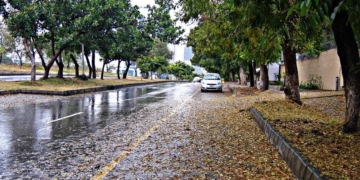
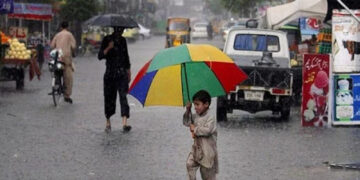






























The first spell of heavy rain and snowfall this season in Afghanistan has brought an end to a prolonged drought; however, sudden flash floods across different regions have claimed at least 17 lives and injured 11 others, worsening the country’s already fragile situation.
According to a spokesperson for Afghanistan’s National Disaster Management Authority, among the deceased are five people who were killed when the roof of a house collapsed in the Kabakan district of Herat province, including two children. Other fatalities were reported in flood-affected areas across the country.
The intense rainfall and flooding disrupted daily life in central, northern, southern, and western regions of Afghanistan, damaging infrastructure, killing livestock, and affecting nearly 1,800 families. These losses have further increased hardships for urban and rural communities already living in vulnerable conditions.
The National Disaster Management Authority said that assessment teams have been dispatched to the worst-hit areas, while surveys are ongoing to evaluate damages and arrange necessary relief for affected families.
Experts say that decades of conflict, poor infrastructure, deforestation, and the impacts of climate change have intensified the effects of such natural disasters, particularly in remote areas where most houses are made of mud and offer little protection against sudden flooding.
Meanwhile, the United Nations and other humanitarian organizations warned this week that Afghanistan will remain one of the world’s largest humanitarian crises in 2026. The United Nations and its aid partners have also launched an appeal seeking 1.7 billion dollars to provide urgent assistance to nearly 18 million people across the country.