

































































Recent tensions involving Iran and disruptions around the Strait of Hormuz have highlighted a changing dynamic in global energy markets, with China emerging as a major factor influencing oil prices.
According to an Indian media report, global oil supplies faced significant pressure during the Iran conflict and concerns over shipping through the Strait of Hormuz. However, oil prices did not surge to the extreme levels seen during previous major geopolitical crises.
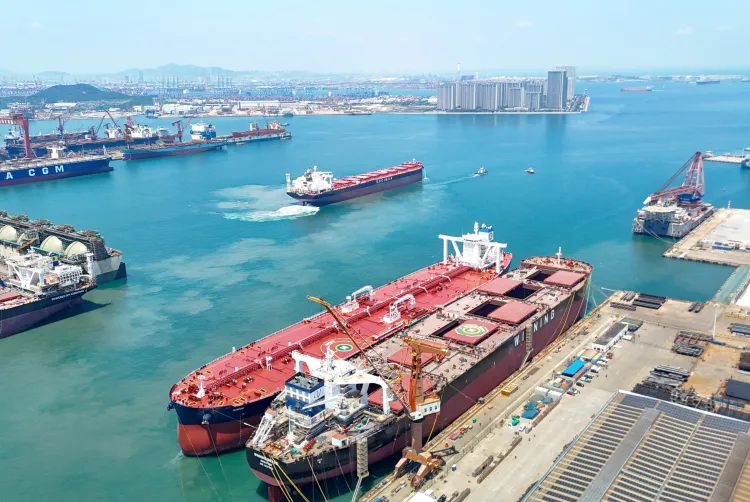
Analysts say one of the key reasons was China’s strategic response. Beijing reportedly relied on oil reserves accumulated over several years and reduced its crude oil imports by nearly 3 million barrels per day.
The reduction in Chinese demand helped offset supply concerns and limited upward pressure on global oil prices.
Experts note that China is the world’s largest crude oil importer, meaning changes in its purchasing patterns can significantly influence global energy markets.
Energy analysts believe the episode demonstrates how China’s economic decisions are increasingly shaping oil market trends, alongside traditional factors such as Middle Eastern supply disruptions and Russian energy exports.
Economists suggest that if China continues to use strategic reserves and import adjustments as policy tools, its influence over global energy pricing could become even more significant in the years ahead.