


































































The unusually rapid rise in Pakistan’s population is placing severe pressure on national resources, adversely affecting key sectors such as education, healthcare, and the economy. In response, the government has declared birth rate reduction a national priority and signaled the need for immediate and effective action.
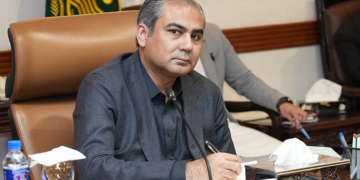
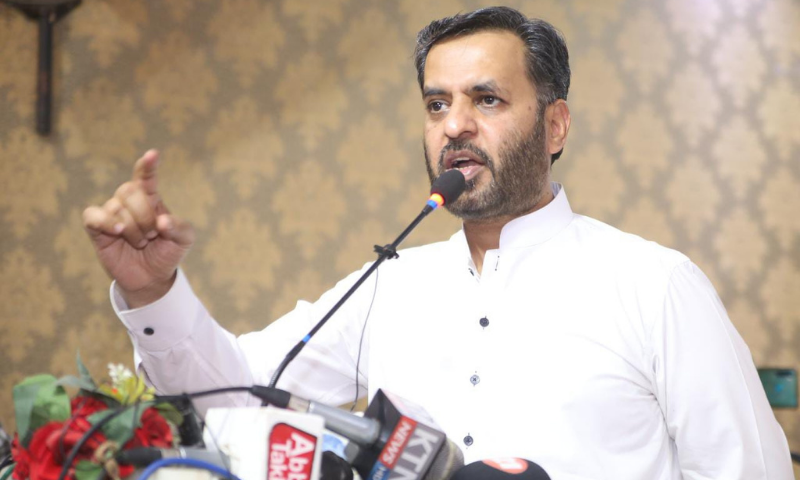
On the occasion of World Population Day, a major national conference was held in Islamabad under the Ministry of Health. The event was attended by Federal Health Minister Syed Mustafa Kamal, along with experts, policymakers, and religious scholars from across the country. According to a spokesperson for the Ministry of Health, the objective of the conference was to highlight the issues caused by the growing population and to raise national awareness of their resolution.
Addressing the conference, Federal Minister Syed Mustafa Kamal termed the current situation a “national crisis” and stated that over 6.1 million people are added to Pakistan’s population every year, which is alarmingly high. He warned that if this rate continues, Pakistan will surpass Indonesia in the next five years to become the world’s fourth most populous country.
The health minister added that Pakistan has the highest birth rate in South Asia, which has increased pressure on the country’s infrastructure and destabilized systems of education, health, and employment. He pointed out that currently, 25 million children in the country are out of school, reflecting a critical situation.
Syed Mustafa Kamal emphasized that the time has come to make smaller family sizes a national priority. He stressed that it is essential to reduce the current birth rate from 3.6 to 2.0 to build a balanced and stable society for the future.
Experts at the conference also agreed that addressing population growth requires more than just statements. They called for practical and concrete steps, including effective public awareness campaigns, accessible family planning resources, and integrated government policymaking. They warned that without timely action, achieving development goals will become increasingly difficult.