







































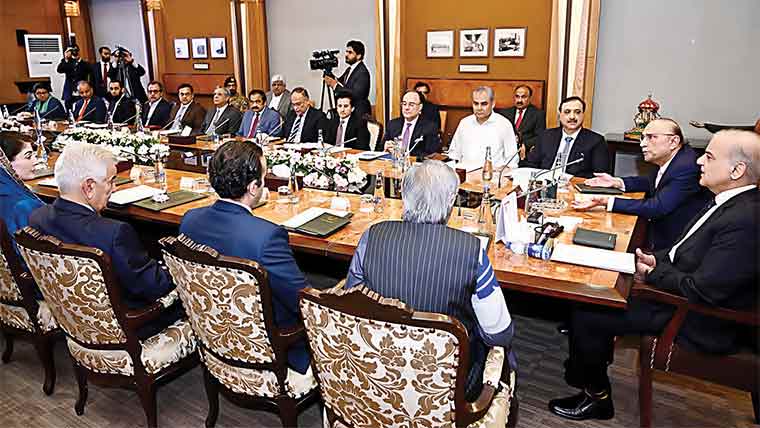
Islamabad: A key consultative meeting was held at the Presidency to protect vulnerable segments from the economic impact of the Iran-US conflict and to provide maximum relief to underprivileged groups, with a detailed review of economic, energy, and security challenges.
The meeting, chaired by President Asif Ali Zardari, was attended by Prime Minister Shehbaz Sharif, federal ministers, chief ministers of all four provinces, the Prime Minister of Azad Kashmir, the National Security Adviser, and other senior officials.
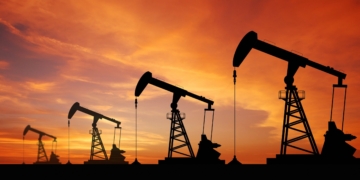
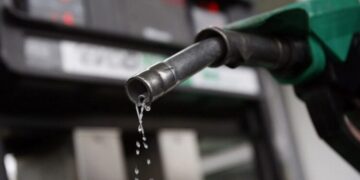
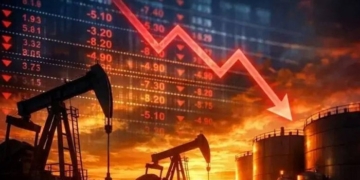
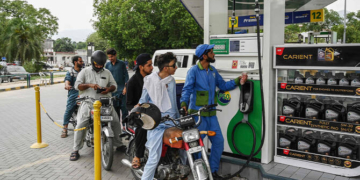
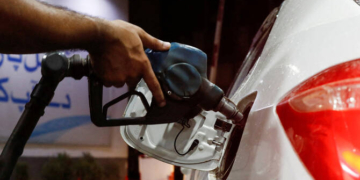
Participants were directed to take all possible measures to ease inflationary pressure on the public while ensuring an uninterrupted fuel supply despite ongoing pressures on oil and gas resources. Proposals to increase petroleum prices were rejected.
Under the austerity policy, significant reductions in government expenditures were also directed. Proposals for two weekly holidays and a nationwide smart lockdown on weekends were discussed, but ultimately rejected due to concerns over negative impacts on economic activity and exports.
It was also revealed that despite rising oil prices, fuel consumption in the country has increased by 25 percent. The Ministry of Information was instructed to launch an awareness campaign to encourage lifestyle changes among the public.
The President also urged citizens to use public transport and shared mobility options. The meeting reviewed the impact of the regional situation on Pakistan’s economy and food security.
Provincial governments, along with Gilgit-Baltistan and Azad Jammu and Kashmir, briefed the meeting on measures to control prices, ensure the availability of essential goods, and reduce the burden on the public, enabling a coordinated national response.
The meeting assured that, despite the global crisis, timely government decisions have ensured an uninterrupted fuel supply, with sufficient reserves available to meet current needs and future planning underway.
The Deputy Prime Minister and Foreign Minister briefed participants on active diplomatic engagements with leaders of Türkiye, Saudi Arabia, and Egypt, as well as other countries involved in the conflict.
It was noted that the Prime Minister has repeatedly rejected proposals to increase fuel prices, and savings achieved through austerity measures are being used to provide public relief.
Separately, President Asif Ali Zardari and Prime Minister Shehbaz Sharif also held a meeting, attended by Deputy Prime Minister Ishaq Dar, Bilawal Bhutto Zardari, Mohsin Naqvi, and National Security Adviser Lieutenant General Asim Malik, where national security and the overall situation were discussed.


