

































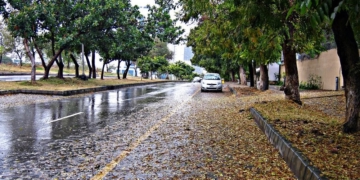


























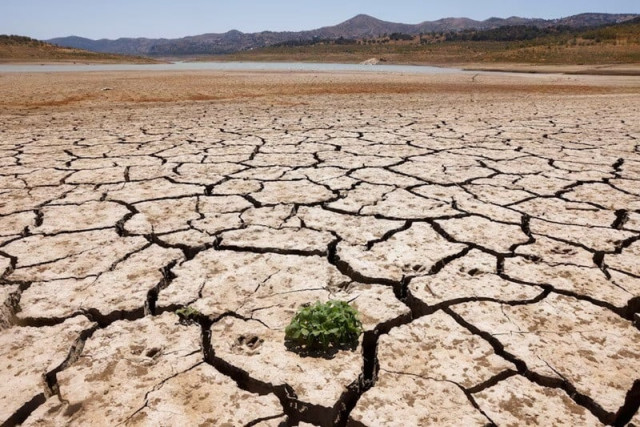
A prolonged lack of rainfall has pushed many districts of Balochistan toward severe drought, with groundwater levels dropping alarmingly and water shortages intensifying across the province. The ongoing dry spell has disrupted agriculture, livestock farming, and domestic water supplies, creating a growing environmental and economic crisis.
According to the Pakistan Meteorological Department (PMD), climate change has led to drastically reduced rainfall across districts, including Quetta, Chagai, Kharan, Washuk, Panjgur, Kech, and Gwadar. From January 21 to September 30, Jiwani recorded 253 consecutive dry days, Dalbandin 214, Nokundi 202, and Panjgur 173.
Deputy Director PMD Balochistan, Muhammad Afzal, stated that the province’s western belt—from Zhob to Gwadar—has seen almost no rainfall in the past six months. The Rakhshan, Makran, and Quetta divisions have all remained exceptionally dry, worsening the drought’s impact.
Experts warn that falling groundwater levels are creating acute shortages for household and agricultural needs, while livestock and rural livelihoods are under strain. Environmental degradation and food insecurity are also on the rise.
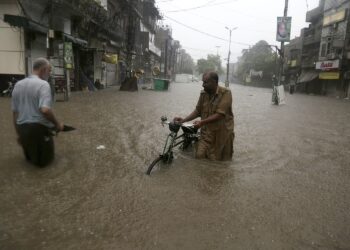
Director General of the Environmental Protection Agency (EPA) Balochistan, Ibrahim Baloch, said the situation reflects the extremes of climate change — some areas face devastating floods due to heavy rainfall, while others are enduring drought. He revealed that a project for artificial rainfall is under consideration to help relieve water scarcity in the worst-hit districts.
The PMD forecast indicates little to no rainfall expected in November and December, suggesting the drought will likely persist. Experts have urged authorities to take immediate measures to conserve water, manage existing resources efficiently, and initiate large-scale tree plantation drives to mitigate future risks.