







































































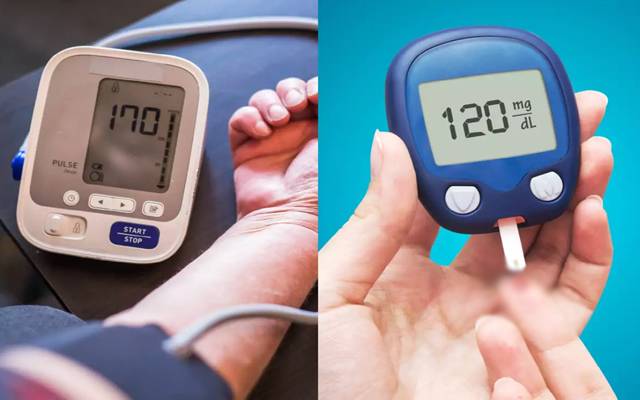
A new scientific study has revealed that stopping food intake at least three hours before sleep can improve blood pressure and blood sugar levels, producing positive effects on heart health and metabolic functions.
The research was conducted by experts at Northwestern University in the United States and has been published in the medical journal Arteriosclerosis, Thrombosis and Vascular Biology. The study explored the relationship between meal timing and overall metabolic health.
What the research says
According to the researchers, the human body operates according to a natural biological clock known as the circadian rhythm. This system regulates sleep patterns, hormone levels, heart function and metabolism.
Eating late at night can disrupt this system because the body remains engaged in digestion instead of entering its natural rest and recovery phase. As a result, blood pressure and blood sugar levels may become affected.
During the study, participants were instructed to stop eating at least three hours before bedtime, keep lights dim in the evening, and extend their nightly fasting period to between 13 and 16 hours.
How the study was conducted
The research included 39 participants between the ages of 36 and 75 who were obese and had a higher risk of developing heart disease and diabetes.
Participants were divided into two groups and observed for about seven and a half weeks to evaluate how meal timing influenced their metabolic health and cardiovascular indicators.
According to lead researcher Dr Daniela Grimaldi, aligning meal and sleep schedules with the body’s natural biological clock can improve coordination between heart health, sleep quality and metabolism.
Co-author Dr. Phyllis Zee explained that the health benefits of eating are not only related to the type or amount of food consumed but also strongly connected to the timing of meals.
Key findings
The study found that participants experienced about a 3.5 percent reduction in nighttime blood pressure and a 5 percent reduction in heart rate, along with improved insulin efficiency.
Participants also showed better glucose tolerance and lower nighttime levels of the stress hormone cortisol.
Researchers believe these changes can reduce strain on the heart and may lower the long term risk of hypertension and diabetes.
Expert recommendations
Experts recommend finishing dinner at least three hours before bedtime, consuming light and balanced meals and reducing exposure to bright lights and digital screens at night.
They also suggest that if someone feels hungry late at night, herbal tea or warm water can be a healthier alternative instead of eating additional food.