






























































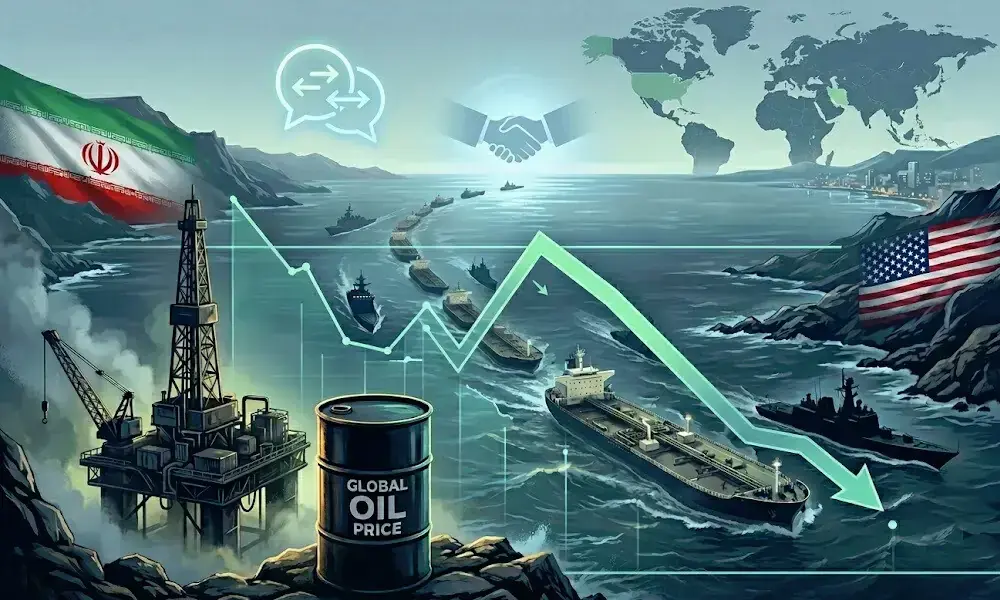
Oil prices declined in early Asian trading on Tuesday, as reports of potential negotiations between the United States and Iran helped ease concerns over supply disruptions, which had previously intensified due to the US blockade in the Strait of Hormuz.
According to data, Brent crude futures fell by $1.86 or 1.87 percent to $97.50 per barrel, while US West Texas Intermediate dropped by $2.25 or 2.27 percent to $96.83 per barrel, following significant gains in both benchmarks a day earlier after the US military initiated a blockade against Iranian ports.
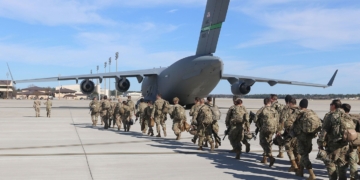
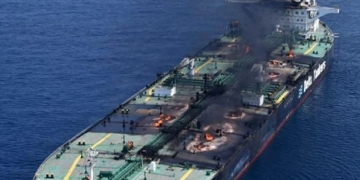
The US military stated that the scope of the blockade has expanded to include the Gulf of Oman and the Arabian Sea, while ship tracking data indicates that at least two vessels have turned back from the Strait of Hormuz, reflecting the seriousness of the situation, while Iran has warned that it may target ports of Gulf countries if tensions persist.
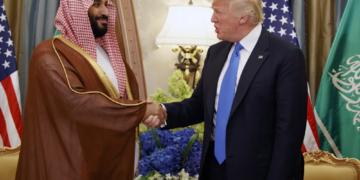
Market analysts noted that although negotiations have faced setbacks, signals from US President Donald Trump regarding a possible agreement have helped ease market pressure, while sources indicate that dialogue between the two sides has not completely ended, with backchannel contacts continuing, and Pakistan’s Prime Minister Shehbaz Sharif has also confirmed efforts to reduce tensions.
Meanwhile, a report by an international bank stated that around 10 million barrels per day of supply has already been affected, and a prolonged blockade could disrupt an additional 3 to 4 million barrels per day in exports, increasing pressure on global energy markets.
On the other hand, global energy agencies have urged countries to avoid stockpiling or restricting exports to reduce uncertainty in the market, while a recent report by an international organization indicated a downward revision of global oil demand by 500,000 barrels per day, which could further impact the market.