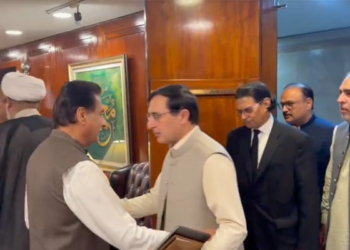




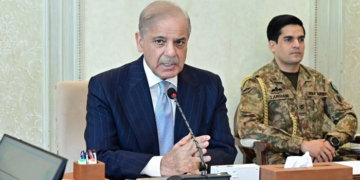
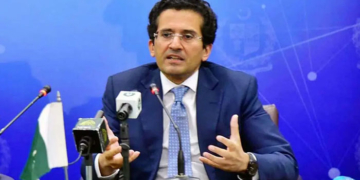








































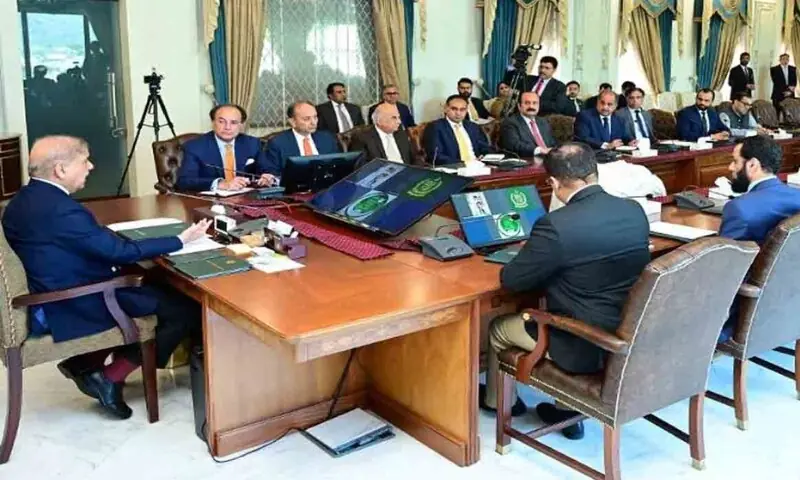
Prime Minister Shehbaz Sharif addressed the nation and announced a series of austerity measures in response to the current regional situation and the global energy crisis, stating that difficult decisions have become necessary to stabilize the economy.
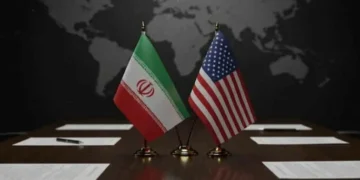
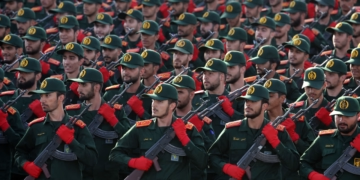
At the beginning of his address, the prime minister expressed deep sorrow over the martyrdom of Iranian Supreme Leader Ayatollah Ali Khamenei and his family members and strongly condemned the Israeli attacks on Iran. He also condemned attacks on Saudi Arabia, Kuwait, Qatar, Bahrain and other Gulf countries.
He said that the attacks on Gulf nations have created serious threats to regional peace and stability, adding that Pakistan stands firmly with these countries in this challenging time and considers their security as part of its own security.
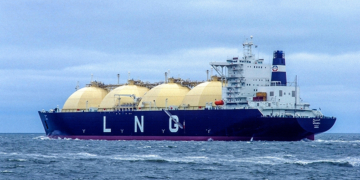
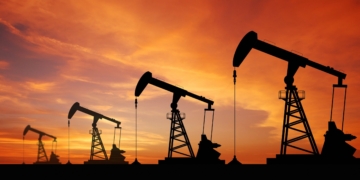
The prime minister noted that global crude oil prices have risen from around 60 dollars per barrel to over 100 dollars, while Pakistan’s economy heavily depends on oil and gas imports from Gulf countries.
He explained that global oil and gas prices are beyond Pakistan’s control but the government is making every effort to maintain economic stability and minimize the burden on the public despite the difficult circumstances.
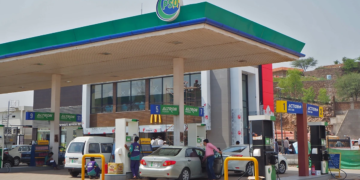
According to the prime minister, the increase in fuel prices was an extremely difficult decision. He said that while economic realities required the increase, there was also concern about the additional burden it might place on the poor.
Austerity Measures
The prime minister announced that fuel allocation for government vehicles will be reduced by 50 percent for the next two months, although ambulances and public transport buses will be exempt from this measure.
He said that 60 percent of government vehicles will be grounded during this period, while cabinet members, ministers, advisers and special assistants have voluntarily decided to forgo two months of their salaries. Salaries of members of parliament will also be reduced by 25 percent.
Officials in grade 20 and above earning more than 300000 rupees per month will have two days’ salary deducted, and the funds will be used for public relief initiatives.
He added that non salary expenditures in government departments will be reduced by 20 percent and the purchase of new items by government departments has been completely banned.
The prime minister also announced a ban on foreign visits by government officials, advisers, federal and provincial ministers, and governors.
He said teleconferences and online meetings will be prioritized for official business, while government dinners and iftar events will no longer be held. Seminars and conferences will now be organized at government venues instead of hotels to reduce expenses.
To save energy and fuel, 50 percent of staff in both public and private sectors, except for essential services, will work from home.
Offices will remain open only four days a week, with one additional weekly holiday, although this policy will not apply to banking, industrial and agricultural sectors.
The prime minister further announced that all schools will remain closed for two weeks starting at the end of the current week, while higher education institutions will shift to online classes to conserve energy.