


































































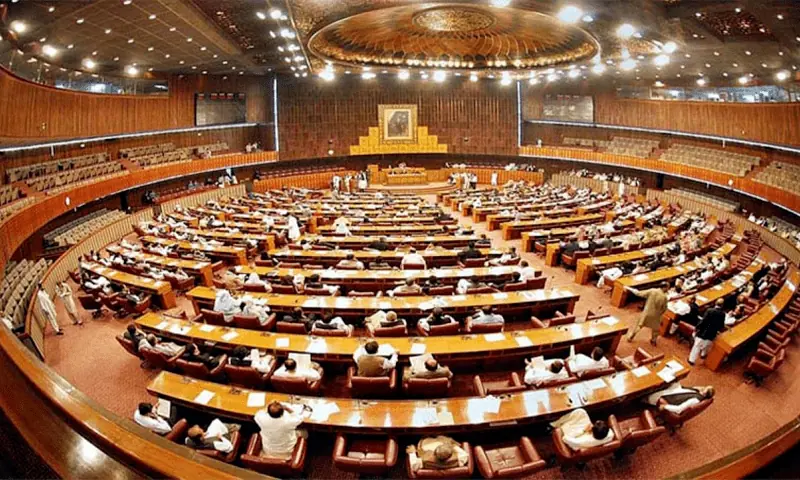
A proposed move to limit public access to the asset declarations of members of parliament has raised serious concerns about transparency and accountability in Pakistan. Transparency International Pakistan has warned that the proposed changes could weaken oversight of elected representatives and undermine the country’s commitments to anti corruption reforms.
The concerns emerged after the introduction of the Election Amendment Bill 2026 in the National Assembly, which seeks to restrict public access to the financial details of lawmakers.
Transparency International Pakistan has urged the president, federal government, and lawmakers to withdraw the proposal, arguing that it could weaken one of the few mechanisms through which citizens can review the financial disclosures of public office holders.
According to the organization, current legal provisions, particularly sections 137 and 138, allow the public to access information regarding lawmakers’ assets and liabilities. This process is considered essential for ensuring transparency and integrity in the legislative system.
The organization warned that limiting such access would weaken public oversight of lawmakers’ financial conduct. It added that the proposed amendment may also contradict governance reforms that Pakistan has recently introduced to improve accountability standards.
Transparency International also referred to recommendations in the IMF’s governance and corruption diagnostic report, which calls for strengthening transparency and integrity mechanisms for public office holders.
The statement noted that under the Civil Servants Amendment Bill 2025, government officials from grade 17 to 22 are already required to publicly declare their domestic and foreign assets, including those of their close family members.
The organization warned that restricting access to lawmakers’ asset declarations could create a situation where civil servants face stricter transparency requirements than elected legislators.
Transparency International Pakistan further cautioned that such restrictions could negatively affect Pakistan’s ranking in the Corruption Perceptions Index, an important indicator used by global investors and institutions to assess accountability standards.
The organization urged parliament to halt the proposed amendment and instead maintain a strong legal framework that ensures public access to lawmakers’ asset declarations in line with international best practices.