











































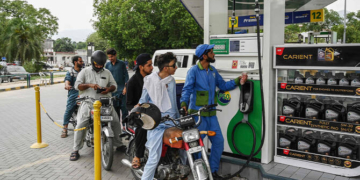








The Sindh Cabinet has approved a comprehensive austerity package aimed at addressing the current energy situation in the province and reducing government expenditures, with expected savings of more than Rs12 billion. Under the approved measures, 60 percent of government department vehicles will remain non-operational for two months, while fuel supply for official vehicles has been reduced by 50 percent.
According to the cabinet’s decision, the salaries and allowances of provincial ministers, special assistants, and special advisers will be suspended for three months. A proposal has also been put forward to reduce the salaries of members of the provincial assembly by 25 percent. In addition, a ban has been imposed on official dinners and large government events in order to limit unnecessary expenditures.
The cabinet has also approved a deduction of two days’ salary from senior government officers, while a 20 percent reduction in government expenditures for the final quarter of the current fiscal year has been approved. However, electricity bills and the purchase of medicines have been exempted from these expenditure cuts.
As part of workforce management measures, the cabinet has directed that 50 percent of government employees will work from home, while government offices will observe three weekly holidays. Important decisions have also been made regarding educational institutions, including the announcement of holidays in schools from March 16 to March 31, while classes in colleges and universities will be conducted online.
The Sindh Cabinet has also approved amendments to the Sindh Infrastructure Cess Act 2026. Additionally, the scope of the wheat release policy has been expanded to include private traders in order to improve the supply mechanism of wheat.
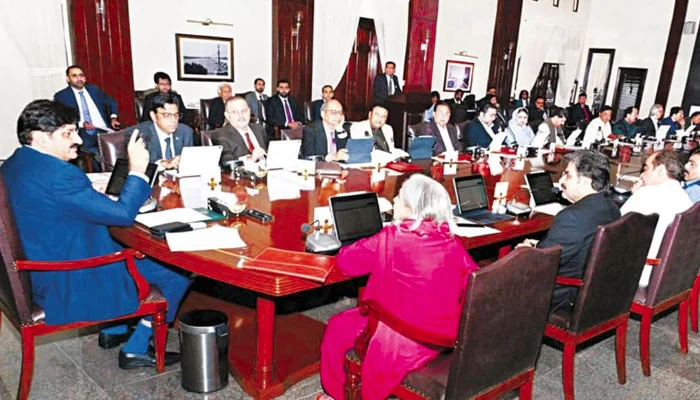
The cabinet further approved the appointment of Justice (Retired) Irshad Ali Shah as Chairman of the Sindh Revenue Board Appellate Tribunal. These decisions were taken during the Sindh Cabinet meeting held on Tuesday under the chairmanship of Chief Minister Sindh Syed Murad Ali Shah.
The meeting also approved several reform measures related to governance, the economy, social protection, and education with the aim of addressing the current energy situation and improving the delivery of public services across the province.
Under the austerity plan, the 50 percent reduction in fuel supply for government vehicles for two months is expected to save approximately Rs960.55 million. However, operational vehicles such as ambulances, buses, and emergency service vehicles have been exempted from these restrictions.
In addition, senior government officers in Grade 20 and above who receive monthly salaries exceeding Rs300,000 have been encouraged to voluntarily forgo two days’ salary, except those serving in the health and education sectors.


