



















































Islamabad: Ahead of the arrival of the IMF review mission, a significant disclosure has revealed that Pakistan’s poverty rate has increased to 28.8 percent, raising serious concerns about the country’s economic condition.
According to details, alarming statistics regarding poverty have emerged just before the IMF review mission’s visit, indicating that economic pressures have intensified over the past several years.
The latest estimates show that over the past six years, poverty in Pakistan has steadily increased, and during the fiscal year 2024-25, nearly 28.8 percent of the population is living below the poverty line, highlighting the severity of ongoing economic hardships.
Official data indicates that in fiscal year 2018-19, the poverty rate stood at 21.9 percent; however, over the last six years, it has recorded an increase of approximately 6.9 percentage points, significantly worsening the overall poverty situation in the country.
Based on the most recent survey for fiscal year 2024-25, the poverty rate has now reached 28.8 percent, while at the provincial level, a sharp rise has also been observed, with Punjab and Sindh being particularly affected.
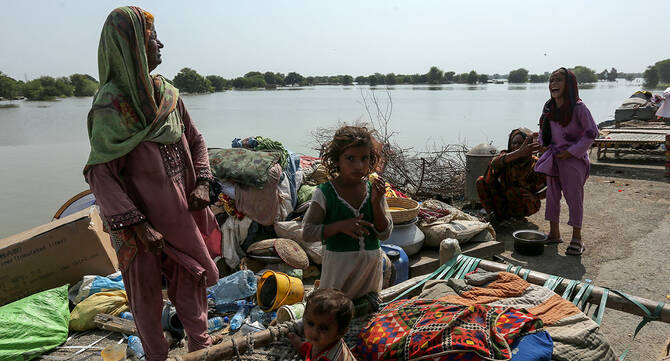
Senior government sources have confirmed that over the past six years, multiple factors have contributed to the surge in poverty levels, including three IMF stabilization programs, the economic impact of COVID-19, global commodity super cycles, rising inflation, low GDP growth rates, two major floods, and the withdrawal of wheat support prices.