









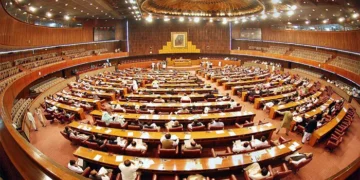

























































The Standing Committee on IT and Telecom of the National Assembly has approved the Digital Nation Pakistan Bill 2024. According to the committee chairman, Amin-ul-Haque, the bill received 10 votes in favor and 6 against.
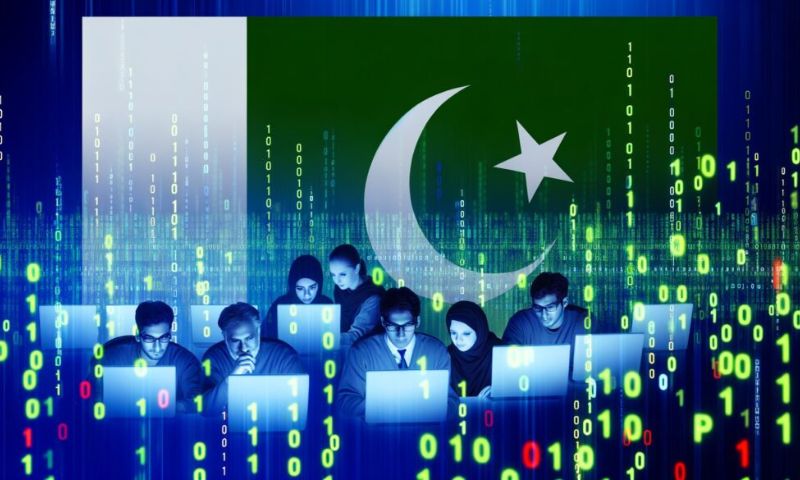
While presiding over the meeting, Amin-ul-Haque stated that the committee’s affairs are being conducted democratically. He emphasized that the Digital Nation Pakistan Bill aims to promote a digital society and economy.
Committee member Sher Arbab expressed concerns about the state of the internet in the country, citing the slow internet speeds and firewall issues causing billions in losses.
Opposition leader and PTI representative Umar Ayub criticized certain sections of the bill, arguing against data centralization and raising concerns over the involvement of retired military personnel in key positions at NADRA and PTA. He also questioned how misuse of centralized data would be prevented and pointed to slow internet speeds during PTI rallies.
PTI chairman Barrister Gohar Khan suggested restructuring the Pakistan Digital Authority, proposing a five-member body with representatives from all provinces and a chairperson, emphasizing the need for higher educational qualifications, such as a master’s degree, for members.
Minister of State Shaza Fatima briefed the committee that governmental institutions are reluctant to go digital, even though digitization would solve fundamental issues, including financial fraud and cybersecurity threats. She emphasized the need for transparency in the system and urged institutions to embrace digitization.
Some committee members raised concerns about the potential for misuse of centralized data. However, Shaza Fatima clarified that the bill does not consolidate data in one place, countering this misconception. She stressed that digital identification would simplify access to various services and ensure transparency.
Umer Niazi warned against rushing the bill and urged that opposition members’ concerns be addressed to avoid undermining the country’s already struggling digital economy.
The bill remains a topic of intense debate, reflecting the challenges and opportunities of digital transformation in Pakistan.