





































































Islamabad: The Pakistan Meteorological Department (PMD) has issued a dengue outbreak alert, warning that the risk of widespread transmission may rise sharply from September 20. Citizens have been advised to take preventive measures, while local authorities have been directed to step up their response.
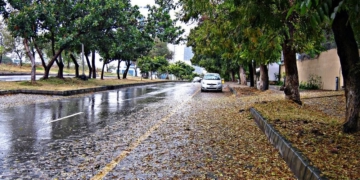
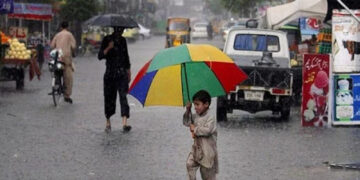
According to the PMD, recent rains and stagnant floodwater have created highly favorable conditions for mosquito breeding. Karachi, Lahore, Islamabad, and at least ten other major cities are considered at high risk. Climate data indicates that this year could witness one of the most severe dengue outbreaks in recent times.
Experts noted that dengue mosquitoes are most active shortly after sunrise and just before sunset. Ideal breeding conditions occur when temperatures remain between 26 and 29 degrees Celsius, humidity is around 60 percent, and rainfall measures close to 27 millimeters. Stagnant water in flood-hit districts has been described as especially hazardous for mosquito growth.
Several districts of Punjab and Sindh remain submerged, with hundreds of thousands of displaced people still living in relief camps, where the threat of dengue is even greater.
The Meteorological Department has urged municipal authorities to accelerate fumigation and sanitation drives. Citizens have been advised to prevent water from accumulating around homes, use mosquito nets and repellents, and ensure relief camps remain clean and dry. Healthcare facilities have also been placed on high alert.
The public has been directed to visit the PMD’s website for the latest updates and guidance on dengue prevention.