




















































The ongoing conflict between Iran, Israel, and the United States in the Middle East has entered its fifth day, while reports of missile attacks have also emerged from Gulf cities such as Dubai and Abu Dhabi. The situation has raised serious concerns worldwide.
Austrian-born Bulgarian geopolitical expert and political scientist Velina Tchakarova said in an interview with an Indian broadcaster that the world is entering a highly uncertain and dangerous phase, especially with reports that Iran may have closed the strategic Strait of Hormuz.
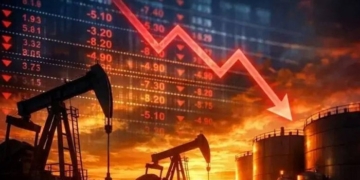
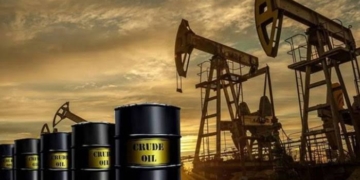
She explained that nearly 20 percent of the world’s oil supply passes through the Strait of Hormuz. In the past, Iran had never completely closed the route because China is one of its largest buyers. However, in the current situation, there are indications that only Chinese ships might be allowed to pass.
According to Tchakarova, if the US Navy attempts to provide security for commercial vessels passing through the strait, the risk of Iranian attacks on ships could increase. Due to the rising tensions, several global insurance companies have already stepped back from operating in the region.
She warned that the conflict could intensify over the next four to five weeks and its effects would likely be felt across the global economy, businesses, and ordinary citizens. She added that Iran currently feels surrounded and is prepared to fight until the very end.
Tchakarova also noted that Iran may activate its allied groups and networks, which could extend the impact of the conflict beyond the Middle East and into Europe.
She further explained that Iran’s political system is complex and resilient, meaning regime change cannot be achieved through air strikes alone. According to her, the strategic objectives of the United States and Israel are not entirely aligned. The US aims to weaken Iran’s ballistic missile program, nuclear facilities, and naval power, while Israel seeks broader political change within Iran.
International media reports suggest that geopolitical experts warn countries and companies against adopting a wait-and-see strategy, as it could lead to major economic losses, especially when the world is already dealing with tensions in Ukraine, Gaza, and Taiwan.


