


































































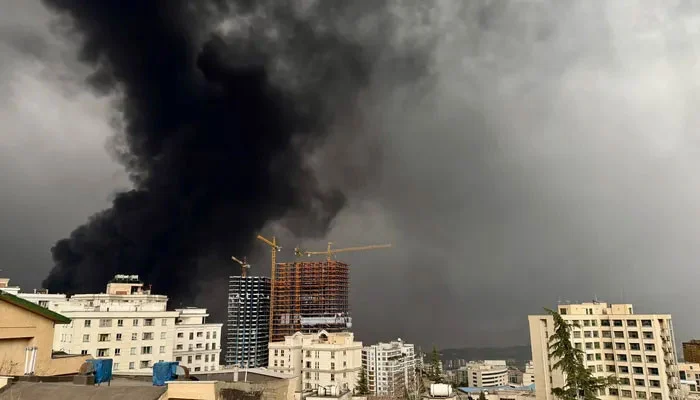
The Pakistan Meteorological Department has stated that the country remains safe from any environmental or radiation threats, and no negative effects have been observed despite the ongoing bombardment in Iran.
According to spokesperson Anjum Nazir, the department is in continuous contact with Iranian authorities, and data exchange between the two countries is ongoing to closely monitor the situation.
He said that according to Iranian data, no traces of hazardous particles or toxic gases have been detected in the upper atmosphere, and no signs of radiation have been observed so far.
Anjum Nazir explained that in case of any radiation incident, prevailing wind directions could carry potential effects towards Turkmenistan, reducing the likelihood of immediate impact on Pakistan.
He further stated that most of the bombardment in Iran is taking place in northwestern regions, whereas Pakistan shares a border with the southern part of Iran, where conditions remain normal.
The spokesperson noted that the current situation in Iran is not comparable to the 1992 Gulf War, when large-scale oil well fires caused significant environmental damage.
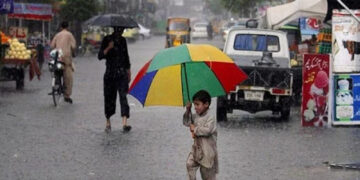
He added that recent rainfall in Balochistan, Punjab, and upper Sindh has shown no negative effects, as rain helps clear dust and pollutants from the atmosphere.
He said the department is conducting a detailed analysis of rainwater to check for any unusual particles, while modern satellite technology is also being used for monitoring.
According to him, satellites have the capability to instantly detect any toxic substances or smoke clouds, and current satellite images show Pakistan’s airspace as completely clear.
He urged the public not to pay attention to rumors, as the government and relevant authorities are closely monitoring the situation and taking all necessary precautions.