
































In a significant diplomatic and strategic development, Pakistan has once again emerged as a focal point of global attention, transforming from a country once perceived as isolated into a key player in regional and international affairs.
Just a few years ago, Pakistan faced diplomatic constraints and economic uncertainty, but today it is being discussed as a potential mediator in one of the most sensitive global conflicts, the impact of which is being felt worldwide.
At a time when tensions surrounding Iran were affecting the global landscape with little hope for immediate resolution, international media reported that Pakistan is playing a role in facilitating communication and mediation between the United States and Iran.
This shift is not coincidental but the result of a structured diplomatic strategy that combines enhanced international engagement with strong coordination between civilian leadership and the military establishment.
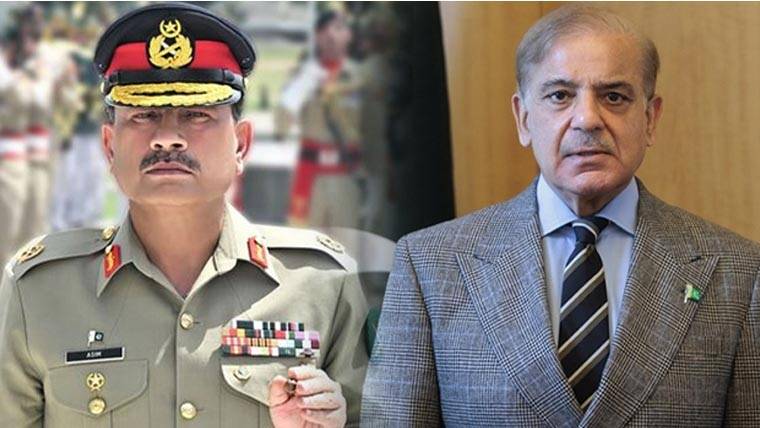
The close coordination between Prime Minister Shehbaz Sharif and Field Marshal Asim Munir is being seen as a central element of this effort, reflecting a unified national approach in handling sensitive international matters.
Prime Minister Shehbaz Sharif also offered Islamabad as a potential venue for talks between the United States and Iran, signaling Pakistan’s commitment to peace and stability in the region.
In his statement, the Prime Minister expressed readiness to facilitate meaningful and result-oriented dialogue, presenting Pakistan as a neutral and credible mediator during a time of global uncertainty.
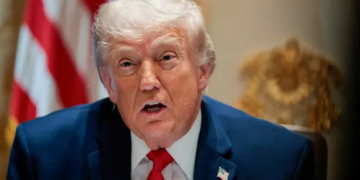
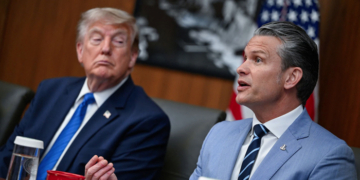
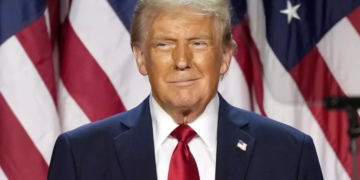
The subsequent sharing of the Prime Minister’s statement by US President Donald Trump has been interpreted as cautious support, raising hopes for possible de-escalation.
These developments indicate that Pakistan is playing a quiet yet significant role in backchannel diplomacy between Washington and Tehran, while its coordination with countries like Saudi Arabia, Turkey, and Egypt reflects its growing diplomatic influence.
Senior leadership, including the Prime Minister, Army Chief, and Deputy Prime Minister and Foreign Minister Ishaq Dar, remains actively engaged in diplomatic outreach with global stakeholders.
This diplomatic resurgence is underpinned by strong civil-military coordination, with continuous communication between leadership during the Gulf crisis enabling timely and effective decision-making.
Pakistan’s balanced and responsible approach during regional tensions has been acknowledged internationally, as the country has positioned itself as a responsible nuclear state advocating dialogue and restraint.
Amid one of the most serious conflicts involving Iran, the United States, and Israel, Pakistan’s role appears to be expanding beyond traditional boundaries.
Whether in South Asia or the Middle East, Islamabad is increasingly being viewed not as a passive observer but as a bridge-builder facilitating dialogue and reconciliation.
In a world searching for stability, Pakistan is once again emerging on the global stage as a symbol of diplomatic engagement and potential peace.