








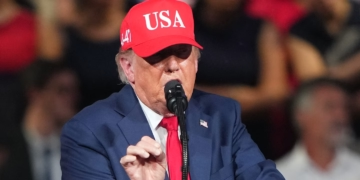
























































US President Donald Trump has expressed dissatisfaction with Iran’s latest proposal aimed at ending the conflict, indicating that the offer is not acceptable under the current circumstances.
According to media reports, Iran suggested postponing discussions on its nuclear program until after a ceasefire is achieved and disputes related to Gulf maritime routes are resolved, while Washington insists that the nuclear issue must be included at the very start of negotiations.
The White House stated that the United States remains firm on its red lines and will not conduct negotiations through the media, while the Trump administration has been continuing diplomatic efforts since February to bring the conflict to an end.
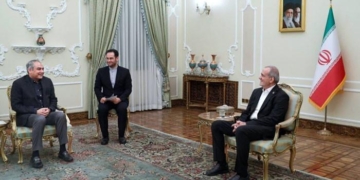
Meanwhile, Iran’s Foreign Minister Abbas Araghchi is visiting several countries in the region, including Pakistan, Oman, and Russia, in an effort to find a diplomatic solution, although clear differences in positions between the two sides remain.
The ongoing conflict has also disrupted global oil supply, particularly in the Strait of Hormuz, where maritime traffic has become severely restricted, significantly affecting global oil shipments.
Shipping data indicates that where 125 to 140 vessels previously passed through the route daily, the number has now dropped sharply, leading to near suspension of oil supply to global markets.
Due to the US blockade, several Iranian oil tankers have been forced to turn back, while Iran has described these actions as maritime piracy.
Analysts warn that continued deadlock could push oil prices even higher, while the US President is also facing domestic pressure to bring the conflict to an end.